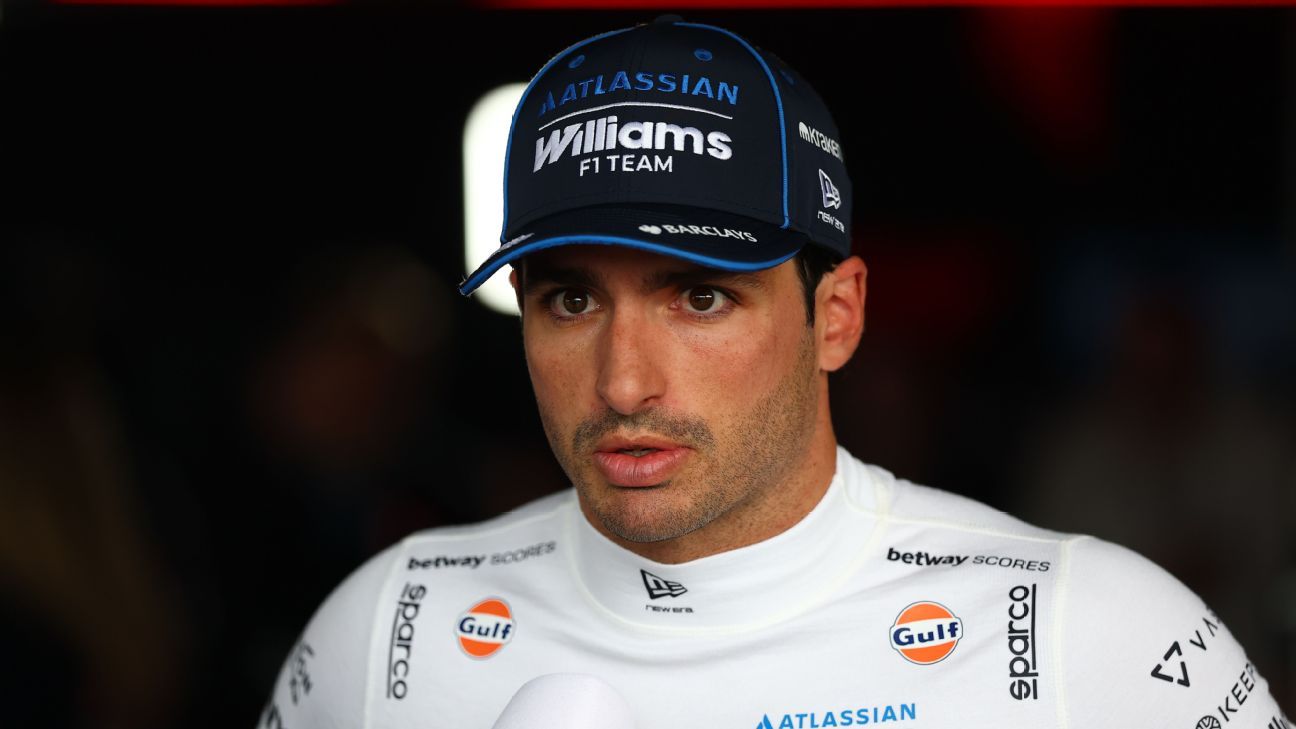
In a recent statement, Carlos Sainz expressed his frustration with the FIA and Formula 1 management for disregarding driver warnings regarding safety concerns. Sainz highlighted that warnings predicting the type of crash Oliver Bearman experienced at the Japanese Grand Prix were ignored, raising questions about the safety protocols in place.
Sainz emphasized that drivers have repeatedly voiced concerns about certain track conditions and safety features, but these warnings have often been dismissed or overlooked. He pointed out that the resistance to implementing necessary safety changes is driven by a desire to maintain the excitement and competitiveness of the racing, even at the expense of driver safety.
The incident involving Oliver Bearman, which occurred during the Japanese Grand Prix, was a stark reminder of the potential dangers on the track. Many in the racing community believe that with better heed to driver feedback, such accidents could be mitigated or avoided altogether.
Sainz's comments come amid ongoing discussions about safety reforms in Formula 1. Critics argue that the sport needs to prioritize driver safety more effectively, especially when warnings are clearly communicated but not acted upon.
FIA officials have yet to respond publicly to Sainz's remarks. However, the incident has reignited debates about the balance between thrilling racing and ensuring the safety of drivers. As the sport continues to evolve, many are calling for more proactive measures to address safety concerns raised by those on the front lines—the drivers themselves.
This controversy underscores the importance of listening to driver feedback and making necessary adjustments to prevent future accidents. The safety of Formula 1 drivers remains a critical issue that the sport's governing bodies must address to maintain credibility and protect its athletes.